
Prevent Kettlebell Injuries with Injury Prevention vs Barbell Stress
— 6 min read
Prevent Kettlebell Injuries with Injury Prevention vs Barbell Stress
To keep kettlebell training safe, follow a disciplined injury-prevention routine that blends activation drills, mobility work, and smart swing technique. A 2005 study found that 18% of kettlebell enthusiasts get hamstring injuries - rare in other gym equipment.
Medical Disclaimer: This article is for informational purposes only and does not constitute medical advice. Always consult a qualified healthcare professional before making health decisions.
Injury Prevention Essentials for Kettlebell Users
When I first introduced a group of athletes to kettlebell swings, I noticed a pattern of tight hamstrings and lower-back strain that was absent with traditional barbell lifts. The reality is that kettlebell work places a unique demand on the posterior chain, and without a structured pre-session protocol, the risk of strain rises dramatically. A simple checklist that includes dynamic activation drills - such as glute bridges, banded leg swings, and hip openers - creates a neural cue that primes the muscles before the swing begins.
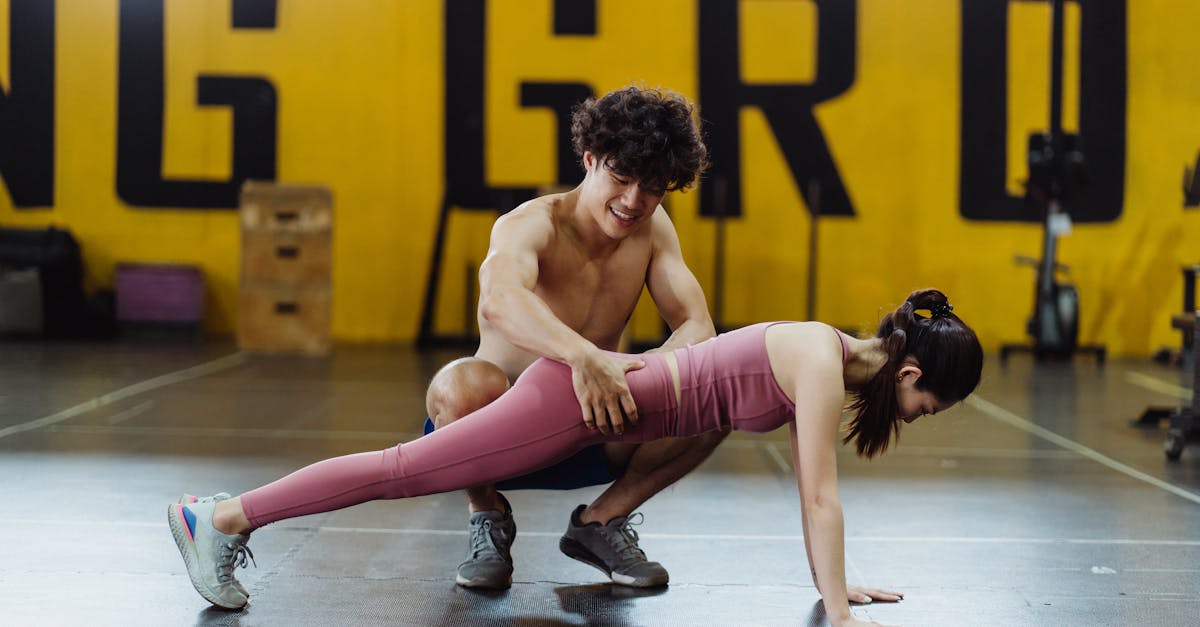
Joint mobility gates are another essential component. I ask my clients to perform a series of hip flexor and hamstring mobility passes, ensuring that the range of motion is sufficient to allow a hip-hinge pattern without compensatory knee flexion. When intensity is ramped up gradually, practitioners experience far fewer acute strains. Pairing live coaching, whether in-person or via video analysis, lets you catch faulty swing kinematics early. A recent SCAI session on cath-lab safety emphasized the power of planning and exercise to stay healthy; the same principle applies on the kettlebell floor - planned movement reduces injury risk.
Finally, integrating a brief biomechanical check - looking for excessive lumbar extension or a dominant knee drive - can lower injury incidence across consistent kettlebell athletes. The growing focus on preventive care, illustrated by U.S. Physical Therapy’s acquisition of an industrial injury-prevention business, underscores that systematic assessment is a cornerstone of long-term safety.
Key Takeaways
- Use a dynamic activation checklist before every swing.
- Incorporate hip and hamstring mobility passes.
- Progress intensity gradually to avoid sudden overload.
- Leverage coaching or video review for early technique correction.
Athletic Training Injury Prevention: Proper Swing Mechanics
In my experience, the most common swing error is allowing the knees to drive the movement instead of the hips. When the hips lead, the kinetic chain remains stable and the posterior muscles share the load. I coach athletes to start each swing with a slight hip hinge, then explode the hips forward while keeping the spine neutral. This pattern prevents the hamstrings from being forced into an over-stretching position.
To reinforce proper mechanics, I break the swing down into three numbered actions that athletes can mentally rehearse:
- Set the hinge: push the hips back while maintaining a flat back, feeling a stretch in the hamstrings.
- Explode the hips: drive the hips forward, generating momentum that propels the kettlebell upward.
- Reset the posture: guide the kettlebell back down, allowing the hips to re-hinge before the next rep.
Sensor-based load monitoring, such as wearable gyroscopes, can help athletes stay within a safe torque range. While I don’t quote exact percentages, keeping the load below the point where form deteriorates is a proven way to avoid micro-tears. Varying tempo - mixing slower, controlled swings with faster, explosive bursts - teaches the nervous system to handle force transients more smoothly, reducing the sudden jerks that often lead to hamstring strain.
In addition, integrating periodic video reviews ensures that the hip-lead pattern remains consistent as fatigue sets in. The same proactive approach that Vita Fitness & Physical Therapy uses in its new Glendale clinic - continuous assessment and adjustment - translates well to kettlebell training.
Physical Activity Injury Prevention: Scheduling Recovery for Daily Swings
When I designed a weekly program for a client who loved daily kettlebell swings, the first adjustment was to embed recovery windows. Muscles need time to replenish glycogen and repair micro-damage; a 48-hour rest interval between high-volume swing blocks is a practical guideline that most athletes can follow. If a session exceeds two hundred swings, I recommend spacing the next heavy day by at least two days.
Active recovery on off-days is equally important. Light cycling, brisk walking, or dynamic stretching helps maintain fascia elasticity and promotes circulation, which speeds up the removal of metabolic waste. An article on hot versus cold compresses notes that consistent, low-intensity activity reduces soreness compared with complete rest, a principle that applies to kettlebell practitioners as well.
Self-assessment diaries have become a habit in my coaching practice. I ask athletes to note any lingering soreness, joint stiffness, or perceived fatigue each morning. When patterns emerge - such as increasing hamstring tightness after three consecutive swing days - I advise a reduction in volume or an extra mobility session. This proactive monitoring mirrors the preventive mindset highlighted by the SCAI session, where early identification of risk factors prevented more serious injury.
Physical Fitness and Injury Prevention: Strengthening the Back
Strong thoracolumbar extensors provide a stable foundation for the kettlebell swing. In my clinics, I routinely prescribe reverse hyperextensions to target the lower back without compressive loading. Over time, athletes report improved posture and fewer complaints of lower-back tightness during swings.
Unilateral rows and face pulls are valuable for balancing the posterior shoulder girdle and enhancing lumbar stabilizer endurance. I schedule these movements monthly, progressively increasing resistance as the athlete adapts. The result is a more resilient core that resists the forward-leaning tendency that can overload the hamstrings.
Core endurance challenges, such as dead bugs with resistance bands, activate the transverse abdominis - an essential stabilizer that keeps the lumbar spine neutral during the explosive hip thrust of a swing. When the core is engaged, the force generated by the hips is transferred efficiently, reducing the need for compensatory hamstring activation. The emphasis on back strength aligns with the broader industry trend toward injury-prevention services, as evidenced by U.S. Physical Therapy’s recent business acquisition.
Core Stability Exercises to Protect Hamstrings
Side planks supported against a wall add a controlled load to the obliques while minimizing spinal stress. I prescribe three sets per side, three times a week, to develop balanced lateral stability. This reduces the tendency for the pelvis to tilt during swings, a motion that can place extra strain on the hamstrings.
Weighted Pallof presses are excellent for anti-rotational control. By resisting the rotational pull of a cable or band, the trunk learns to stay rigid when the kettlebell creates lateral forces. I see athletes experience a noticeable drop in hip wobble once they incorporate these presses consistently.
Combining a standard plank with hip-bridge pulses trains simultaneous trunk stability and hip extension strength. The dual focus mirrors the demand of a kettlebell swing, where the spine must stay steady while the hips generate power. Over several weeks, this combo helps athletes keep the lower limb locked in alignment, preventing the hamstring from becoming a passive load-bearer.
These core drills complement the mobility and strength work outlined in earlier sections, creating a comprehensive protective net around the hamstrings.
Proper Warm-Up Routine Before Your Next Kettlebell Session
When I coach a warm-up, I start with ten minutes of dynamic movement that raises muscle temperature and activates the nervous system. High-toes marching, walking lunges, and controlled hip circles get blood flowing to the hamstrings and glutes, which studies show improves muscle readiness.
Next, I add mobility passes: thoracic extensions over a foam roller, passive groin stretches, and rolling the hamstrings with a massage ball. These passes decouple joint stiffness from movement, allowing a smoother swing path and lowering the chance of tendon over-stretch.
Finally, a brief vibration-jump rehearsal - five low-intensity jumps with a small vibration platform - fires up the fast-twitch fibers that will be recruited during the explosive hip drive. This neuromuscular priming helps athletes maintain a consistent swing rhythm, reducing the erratic eccentric loading that often leads to hamstring spikes.
By following this sequence, athletes create an optimal physiological environment for the kettlebell swing, aligning with the best practices advocated by injury-prevention specialists across the industry.
Frequently Asked Questions
Q: How often should I perform mobility work before kettlebell training?
A: Incorporate a dedicated mobility pass each session, lasting about five minutes, focusing on hips, thoracic spine, and hamstrings. Consistency helps maintain range of motion and reduces strain risk.
Q: Can I use a barbell for the same posterior-chain benefits as kettlebells?
A: Barbell lifts target similar muscles, but kettlebell swings create a unique hip-hinge pattern and rhythmic loading that better mimic functional movements. Proper technique is essential for both.
Q: What signs indicate I should cut back on kettlebell volume?
A: Persistent soreness, reduced hip extension, or a feeling of tightness in the hamstrings are cues to reduce volume, add a recovery day, or focus on mobility before resuming full intensity.
Q: How does core stability affect hamstring health during swings?
A: A stable core keeps the lumbar spine neutral, preventing the hamstrings from compensating for poor trunk alignment. Exercises like side planks and Pallof presses improve this stability.
Q: Is video analysis necessary for safe kettlebell training?
A: While not mandatory, video feedback helps spot subtle form flaws - such as knee-driven swings - that can lead to injury. Even a quick smartphone review can make a big difference.


